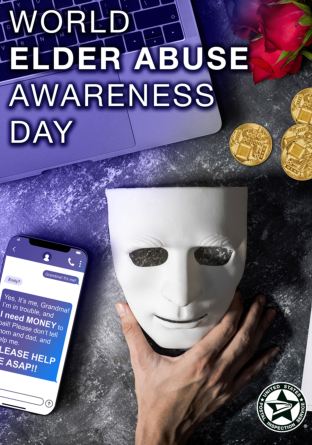
While fraud is nothing new, today’s scams are constantly evolving. The latest advances in technology, like artificial intelligence (AI), make these schemes even harder to spot. The Federal Trade Commission (FTC) tracks the staggering cost of fraud for consumers, such as $15.9 billion in reported losses in 2025 alone. While scams take many forms, most share one trait: imposters. Fraudsters pretend to be a person, company, or government agency that they are not. Imposter scams are the most reported type of fraud in the country (see ftc.gov/news-events/news/press-releases/2026/03/ftc-testifies-joint-economic-committee-agencys-efforts-combat-fraud).
Today’s scams can be easily AIenhanced, using tools like generative AI, voice cloning, and deepfake technology to create highly convincing, personalized content that can even help imposters build relationships with victims over time. AI fakes are used in many types of scams, from romance and investment scams to fraudsters claiming to be a grandchild or a romantic interest.
To help keep your hardearned money safe, the United States Postal Inspection Service® provides tips to help you spot and stop common types of fraud.
Everyone loves the dream of easy money. Unfortunately, so do fraudsters. Common schemes involve everything from securities and commodities to oil wells and gold coins. Today’s trending scam uses fake investments in cryptocurrency, which even smart investors can fall for. Cryptocurrency investment scammers might post investment sites that look real, but you’ll find you can’t withdraw money you’ve “invested.”
If you receive a phone call or email using highpressure tactics and promising high profits, those are red flags. Someone may reach out claiming they made a lot of money and want to show you how. But legitimate investments never guarantee results (see consumer.ftc.gov/articles/investment-scams). If it sounds too good to be true, it is.
Protect yourself: Don’t make hasty decisions about money, even if the salesperson calls it a “onceinalifetime opportunity” with a deadline. Do research to independently verify promises of profitability, and never invest solely on what you read in one source of information. Check the reputation of any company with your local consumer affairs office or your state’s Office of the Attorney General.
One of the most troubling scams enhanced by AI uses fake photos and voice cloning to make you think a relative, like a grandchild, is really contacting you, making urgent requests for things like bail money, legal fees, or hospital bills. To make the story plausible, scammers add details about how or where this “emergency” happened, or tell you that a lawyer, doctor, or police officer will “explain everything” if you call them. Once the money is sent, scammers bolt, and the grandparent loses hundreds or thousands of dollars.
Protect yourself: Think before acting. These calls or emails may arrive late at night, when you aren’t thinking clearly. This is on purpose. Contact your relative (or their parent) the way you usually reach them to verify the story. Urgent requests for money are always red flags, as are the ways scammers want the money sent. Scammers’ preferred methods of payment are wire transfers or reloadable prepaid credit cards, which make it impossible to get your money back.
Social media and dating websites are perfect platforms for tricking susceptible consumers into romantic relationships. Anyone who is socially isolated could fall for a romance scam. Fraudsters pretend to be interested in you, and after building a rapport, may ask you to send money or to cash a check or money order. Scammers create urgency by claiming to have a medical emergency. Or they may promise to come to the U.S. to be with you, but they need a check or money order to cover expenses. None of their stories are true.
Protect yourself: With any internetbased relationship, keep your personal details to yourself. Do an online search of the person’s name and town they claim to live in. Proceed slowly, noting inconsistencies in the person’s profile and information. Keep conversations on the official dating site’s platform. Red flags include showing romantic interest in you very quickly, pushing to take your conversation to private email, and asking for money to visit you or for an emergency.
You might get a bogus warning about a problem with your computer, like a popup warning or email that looks like it’s from a wellknown company. The notice will urge you to call a phone number to get help or to click on a link. Other tech support scams might start with a call or text from a scammer who pretends they’re a computer technician. They may ask for remote access to your computer and pretend to scan for viruses. Then they’ll claim to find a malicious program and offer to remove it for a fee.
A big red flag is if they insist you pay with gift cards, a wire transfer, bank transfer, cryptocurrency, or via a payment app. They want you to pay in one of these ways because it’s like using cash — once you pay, it’s hard to get your money back.
Protect yourself: If you receive a tech support call you didn’t initiate, simply hang up. If you get an email or text, ignore and delete it. Don’t give out personally identifiable information (PII), like your Social Security number, birthdate, bank account numbers, or home address, to a stranger. Don’t click on links or reply to this type of email. Block spam messages, and delete the email or text message. Review your cellphone bill for suspicious charges, and keep the security software on all your devices updated.
For more information about fraud prevention, go to uspis.gov/imposterscams. If you believe you’ve been a victim of fraud or any crime related to the U.S. Mail, report it at uspis.gov/report or call 8778762455.
— Communications, Governance, and Strategy,
U.S. Postal Inspection Service, 6-11-26



