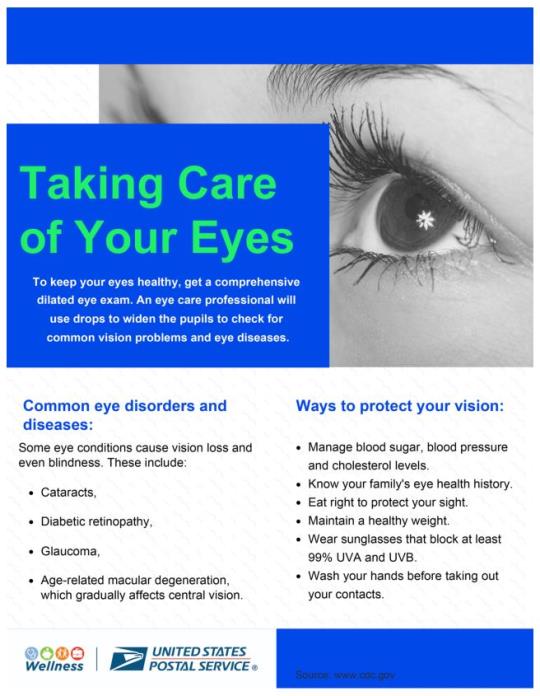
Good vision is essential for daily life, but many people overlook their eye health until problems occur. Routine eye care and healthy habits can help preserve your eyesight.
Regular eye exams help with early detection for conditions like glaucoma, cataracts, and macular degeneration. A comprehensive dilated eye exam will allow your eye doctors to assess changes in vision and identify problems before they progress.
Maintaining an eye-healthy diet with foods like spinach, salmon, and carrots will help to promote optimal vision. Staying active and avoiding smoking may also help protect against vision loss.
Excessive screen time can lead to digital eye strain which can cause dry eyes, headaches, and blurred vision. The 20-20-20 rule; looking away every 20 minutes for 20 seconds at something 20 feet away, helps alleviate eye strain.
Many vision problems worsen over time, but early detection is key. Age-related macular degeneration (AMD), diabetic retinopathy, glaucoma, and cataracts are among the leading causes of vision loss.
Managing blood sugar levels, blood pressure, and cholesterol may help to reduce the risk of diabetic eye diseases.
Take the following action to protect your eyes:
n Adopt preventive measures.
n Schedule routine eye exams.
n Make healthy lifestyle choices.
For more information about how to keep your eyes healthy, go to nei.nih.gov/learn-about-eye-health/healthy-vision/keep-your-eyes-healthy.
— Benefits and Wellness,
Human Resources, 8-7-25